REMARC 2026Review copy
Page 43
04
04 Natural GasREMARC 2026
Chapter 04

Natural Gas

Largely self-sufficient today and poised to become a regional exporter: how stable production, Neptun Deep and new interconnections are reshaping Romania’s gas market, and where prices are heading.

  1. In this chapter
  2. Key facts44
  3. EU gas supply routes45
  4. Production, demand & trade46
  5. Outlook to 2030 & Neptun Deep47
  6. Consumption by consumer type48
  7. Interconnection congestion revenues49
  8. Producer market shares50
  9. Gas in power generation51
  10. TTF prices52
  11. Romanian gas prices53
  12. Vertical Corridor capacity54
Natural Gas43
Page 44
04
04 Natural GasREMARC 2026

Key facts
Natural Gas 2025

Four numbers that summarise Romania’s gas market this year. Each one links to the page where the evidence sits.

Domestic production vs consumption, 2025
99%

Romania remained largely gas self-sufficient, supported by stable domestic production.

Domestic gas production, TWh · p. 46
Gas production forecast, 2030
152TWh

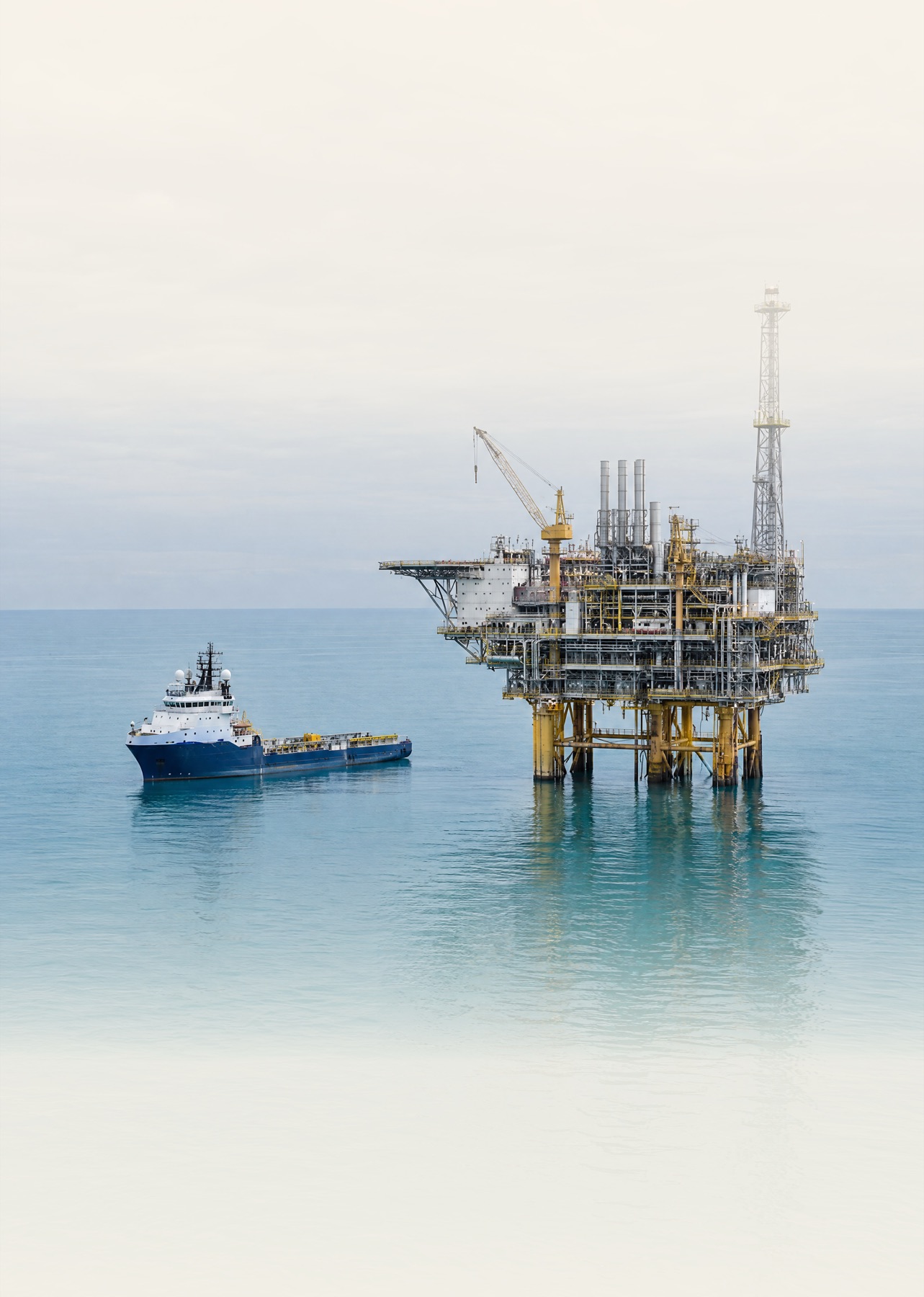
Neptun Deep is set to transform Romania into a major regional gas supplier.

Neptun Deep production, TWh · p. 47
Vertical Corridor capacity at full activation
14bcm

Regional infrastructure expansion strengthens cross-border gas trade and security of supply.

Vertical Corridor capacity, bcm · p. 54
Gas in power generation, 2028 peak vs 2026
+80%

Natural gas remains a key transition fuel, supporting power system flexibility.

Gas in electricity forecast, 2025–2033 · p. 51
Romanian Energy Market Annual Report44
Page 45
04
04 Natural GasREMARC 2026
EU supply routes

The EU27 in 2025 relies on diversified supply routes, significantly reducing reliance on Russia while strengthening supply security.

EU gas supply at a glance · average flows, GWh/d, 2025

Fig. 4.1
10,212GWh/dEU pipeline flows
4,414GWh/dLNG imports
3,796GWh/dNorth Sea corridor
Source: to be confirmed by CIGA

External gas supply to the EU by route · GWh/d, 2025 average

Fig. 4.2
Source: to be confirmed by CIGA
  • LNG is the largest external supply source to the EU, averaging 4,414 GWh/d, underscoring the growing role of global gas markets.
  • The North Sea corridor (3,796 GWh/d) remains the backbone of European supply, supported primarily by stable Norwegian pipeline exports.
  • Southern corridors provide diversification: North Africa (907 GWh/d) and Caspian gas (349 GWh/d) strengthen supply through the EU’s southern entry points.
Natural Gas45
Page 46
04
04 Natural GasREMARC 2026
Gas balance

Romania remained largely self-sufficient in natural gas, while imports rebounded sharply to satisfy recovering domestic demand in 2025.

Natural gas production, consumption, imports and exports · TWh, 2022–2025

Fig. 4.3
Source: to be confirmed by CIGABars = production and consumption · lines = imports and exports
  • Domestic production remained stable at around 100 TWh, continuing to cover most national gas demand.
  • Natural gas consumption recovered to approximately 100 TWh in 2025, reversing the decline recorded in 2023.
  • Gas imports increased from 18.5 TWh in 2024 to 33.2 TWh in 2025, indicating tighter supply conditions.
  • Exports nearly tripled between 2022 and 2025, reaching 22.6 TWh, reflecting stronger regional market integration.
Romanian Energy Market Annual Report46
Page 47
04
04 Natural GasREMARC 2026
Outlook to 2030

Neptun Deep is expected to transform Romania into a major regional gas supplier while fully meeting rising domestic demand.

Natural gas production forecast · TWh

Fig. 4.4
Source: to be confirmed by CIGA

Natural gas consumption forecast · TWh

Fig. 4.5
Source: to be confirmed by CIGA

Imports, exports and storage forecast · TWh, 2026–2030

Fig. 4.6
Source: to be confirmed by CIGA
  • Natural gas production is projected to increase from 92 TWh to 152 TWh by 2030, driven by Neptun Deep.
  • Neptun Deep production is expected to account for nearly half of Romania’s total gas output by 2030.
  • Gas exports could rise from 3 TWh in 2026 to almost 28 TWh by 2030, while imports fall to zero after 2027.
  • Growing domestic consumption reaches 121 TWh by 2030, yet expanding production maintains Romania’s export surplus.
Natural Gas47
Page 48
04
04 Natural GasREMARC 2026
Demand

Romania’s natural gas demand remained stable, with households continuing to account for the largest share of national consumption.

Natural gas consumption by type of consumer · TWh, 2022–2025

Fig. 4.7
Source: to be confirmed by CIGA
  • Household consumption remained broadly stable at around 63 TWh, reflecting resilient residential gas demand.
  • Non-household consumption recovered to 37.7 TWh in 2025, its highest level since 2022.
  • Industrial and commercial demand accounted for almost 38% of total gas consumption in 2025.
  • The narrowing gap between household and non-household consumption suggests strengthening economic activity and industrial gas use.
Romanian Energy Market Annual Report48
Page 49
04
04 Natural GasREMARC 2026
Interconnections

Romania’s gas interconnections generated modest congestion revenues, indicating available cross-border transmission capacity in 2025.

Congestion revenues by interconnection point · € m, 2025

Fig. 4.8
Source: to be confirmed by CIGA
  • The Hungary–Romania interconnection generated approximately €26 million, Romania’s highest congestion revenue source in 2025.
  • Romania–Moldova and Bulgaria–North Macedonia interconnections recorded congestion revenues below €2 million, indicating limited bottlenecks.
  • Most regional interconnections generated less than €5 million, suggesting relatively balanced cross-border gas flows.
  • Lower congestion revenues imply adequate transmission capacity, supporting efficient regional gas market integration and security of supply.
Natural Gas49
Page 50
04
04 Natural GasREMARC 2026
Upstream market

Romania’s natural gas production remains highly concentrated, with Romgaz and OMV Petrom accounting for over 85% of domestic output.

Share of domestic natural gas production by producer · % of output, 2025

Fig. 4.9
Source: to be confirmed by CIGA
  • Romgaz remained Romania’s largest gas producer, contributing 52.5% of total domestic production in 2025.
  • OMV Petrom supplied 34.3% of national production, reinforcing the dominance of the two incumbent producers.
  • Black Sea Oil & Gas accounted for 8.2%, highlighting the growing importance of offshore gas production.
  • The remaining producers collectively contributed less than 5%, indicating a highly concentrated upstream natural gas market.
Romanian Energy Market Annual Report50
Page 51
04
04 Natural GasREMARC 2026
Gas for power

Natural gas is expected to remain a key transition fuel, with power generation increasing before gradually moderating after 2028.

Forecast of gas in electricity generation · TWh per year, 2025–2033

Fig. 4.10
Source: to be confirmed by CIGA
  • Gas-fired electricity generation is projected to increase by almost 80% between 2026 and its 2028 peak.
  • Generation is expected to peak at around 141 TWh in 2028 before gradually declining through 2033.
  • Despite the post-2028 decline, gas generation remains well above 2025 levels, supporting system flexibility.
  • The projected trend reflects gas’s balancing role as renewable penetration continues to expand across Romania’s power system.
Natural Gas51
Page 52
04
04 Natural GasREMARC 2026
European prices

European gas prices remained volatile in early 2026 but are expected to gradually ease as supply conditions improve.

TTF gas price, monthly average · €/MWh, Jan 2025 – Jun 2026

Fig. 4.11
Source: to be confirmed by CIGA
  • TTF prices peaked above €50/MWh in April 2026 before retreating below €47/MWh by June.
  • Throughout 2025, TTF prices followed a steady downward trend, declining from €45/MWh to around €31/MWh.
  • The sharp early-2026 price rebound highlights continued sensitivity to seasonal demand and supply-side uncertainties.
  • Despite recent volatility, mid-2026 prices remain well below the 2022 energy crisis peaks, indicating a more balanced European gas market.
Romanian Energy Market Annual Report52
Page 53
04
04 Natural GasREMARC 2026
Romanian prices

Romanian gas prices increasingly aligned with market fundamentals during 2025, while regulated domestic prices remained unchanged.

Monthly gas prices in Romania · €/MWh, 2025

Fig. 4.12
Source: to be confirmed by CIGA
  • Bilateral contract prices rose above €220/MWh by December, reflecting stronger market demand and tighter supply.
  • Current import prices recovered sharply after April, reaching approximately €210/MWh by year-end.
  • Centralised market prices increased steadily during the second half of 2025, approaching €185/MWh in December.
  • The regulated domestic gas price remained fixed at €120/MWh, creating a widening gap with market-based prices.
Natural Gas53
Page 54
04
04 Natural GasREMARC 2026
Infrastructure

The Vertical Corridor is set to substantially strengthen regional gas security by nearly tripling transport capacity by 2027.

Vertical Corridor capacity · bcm

Fig. 4.13
Source: to be confirmed by CIGA

Capacity by route · bcm per year

Fig. 4.14
Source: to be confirmed by CIGAOrange = operational route
  • Vertical Corridor capacity is projected to increase from 5 bcm to 14 bcm, almost tripling by full activation.
  • The near-term expansion to 9.4 bcm will significantly enhance regional cross-border gas flows before 2027.
  • Two proposed routes would each provide 40 bcm of annual capacity, exceeding the existing corridor’s 25 bcm.
  • Expanded transport capacity will improve supply diversification and facilitate higher regional gas trade across Southeast Europe.
Romanian Energy Market Annual Report54